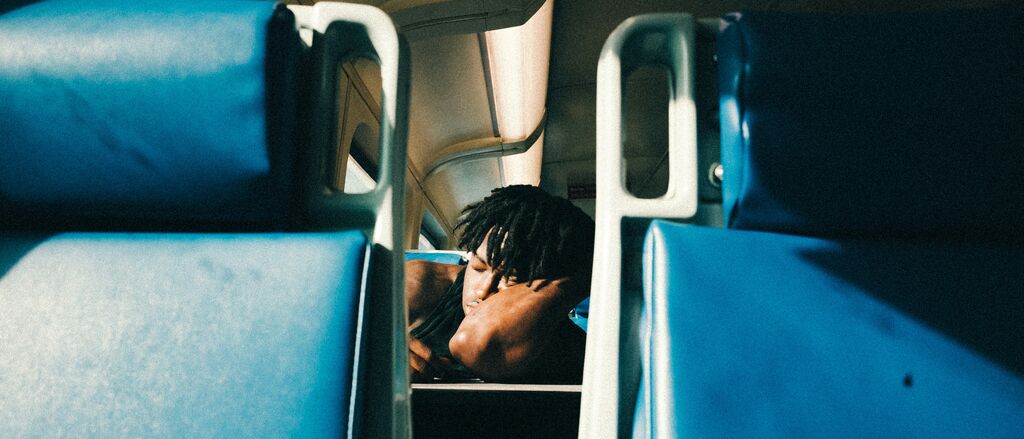
How to sleep better on planes?
Thursday, January 22, 2026
Despite all the joy that traveling can bring, long flights can be stressful and tiring if you can't sleep on the plane. Between the constant noise, the brightness of your neighbors' screens, the limited space, turbulence, and uncomfortable seats, getting some sleep can seem impossible.
We're here to offer you some tips that could improve your comfort and rest in the air.
What seat should you choose?
One of the most important factors for getting a good night's sleep on a plane is choosing the right seat. Each seat has its advantages and disadvantages, so it's up to you to decide which one suits you best. Here are a few tips to help you choose:
- Window seat: An ideal seat for leaning against the edge of the plane for extra support. What's more, you control the window blind and avoid being disturbed by other passengers or cabin crew.
- Middle seat: This seat is often the least popular, but it has the advantage of being the seat where turbulence is felt the least. So, if turbulence scares you, the middle seat could be beneficial.
- Aisle seat: This location is perfect if you have long legs and need to stretch regularly. This seat is also good if you get up a lot.
- Seats next to emergency exits: These seats also have more legroom, but your screen is not directly in front of your eyes, and the recline of your seat may be limited.
An additional tip when deciding where to sit is to choose the side on which you usually sleep. This will allow you to maintain your routine and make it easier to sleep.
Which seats should you avoid?
Some seats offer very few advantages, so we recommend avoiding them if you want to get a better night's sleep during your flight.
- Seats near toilets and service areas: Seats in these areas are often very noisy and there are always people around, which could disturb your sleep.
- Seats in the last row: These seats cannot be reclined because of their fixed backrests. In addition, these seats are often close to the restrooms, so there is often a lot of noise.
Choosing the right clothes
An important factor in getting a good night's sleep on a plane is wearing clothes that you feel comfortable in. It's also important to wear several layers so that you can regulate your temperature. If you don't wear enough clothes, you may get cold and not be able to sleep well.
One tip we recommend is to bring thick socks on board. Your feet regulate your body temperature, so if your feet are warm, you will be warm.
Other clothing that may be useful on board to help you sleep better includes:
- Comfortable, loose-fitting clothing: Tight clothing is not good for blood circulation, especially if you are in an environment where air pressure is reduced. The only exception to this is…
- Compression socks: If you regularly have blood circulation problems, compression socks could greatly improve your flight and your comfort on board the plane. In addition, these socks reduce the risk of blood clots.
- Shoes that are easy to remove: By taking off your shoes during your flight, you can simulate your normal habits, as you don't go to bed fully clothed! We recommend wearing light sneakers or loafers.
Eliminate distractions
There are many things on board an airplane that can distract us and prevent us from getting a good night's sleep.
Here are a few tips to avoid these situations:
- Limit your screen time: The blue light emitted by our screens, whether from phones, tablets, computers, or the plane TVs, disrupt our circadian rhythm and prevent us from sleeping. If you turn off your screens or activate night mode, you are more likely to sleep better. You can read a book or magazine to avoid your screens.
- Reduce noise and light: By reducing all noise and light pollution, you can sleep better. To do this, we recommend wearing a sleep mask and using noise-canceling headphones or earplugs. The goal is to recreate our usual sleeping environment (dark and quiet). In addition, listening to ambient music or white noise will help you relax and fall asleep more easily.
Eat well and stay hydrated
Your nutrition and hydration are very important for getting better rest on board the plane.
Here are a few tips for sleeping better on the plane:
- Avoid alcohol or caffeine before your flight: These drinks disrupt your sleep in everyday life, and even more so on board a plane. Alcohol dehydrates you and gives you poorer quality sleep. Coffee can also interfere with your sleep, even if you drink it well before your flight. Caffeine stays in your body for about 8 hours, even if you no longer feel its immediate effects. It is therefore advisable to avoid coffee before a flight if you want to sleep well.
- Eat light food before your flight: This will help with digestion, making your flight more enjoyable and helping you fall asleep more quickly.
- Stay hydrated: Drinking plenty of water regularly will help you avoid dehydration, which is a common phenomenon on airplanes. Drinking water regularly will prevent discomfort and help you sleep better.
- Eat during your flight: Although it is advisable to eat lightly, don't forgo the whole process entirely. An empty stomach could reduce your ability to fall asleep and shorten your sleep time. In your daily life, trying to sleep when you are hungry is difficult, and even more so on an airplane.
How to position yourself correctly?
Your body position during the flight has a significant impact on the quality of your sleep. Sleeping in an upright position is not easy. The reclining seat has been designed to improve your sleep on board. For the best possible quality of sleep, recline it slightly. Be considerate of the person behind you so that they are not crushed by your seat, but don't hesitate to recline your seat slightly.
If you are sitting by the window, lean against it for more support. Also, try placing a pillow under your lower back. This can relieve the pressure your body feels when it is curled up for hours at a time. Having a cushion under your lower back helps your spine regain its natural curve. If you have a neck pillow, bring it along too: it will give you more support for your neck and prevent sore muscles.
Avoid curling up in your seat (with your legs pulled up against your body). This greatly increases the pressure on your organs and can lead to more physical discomfort. The viral TikTok plane position (fastening your seatbelt around your legs raised on the seat) should also be avoided. Although it may be effective for falling asleep, it can cause circulatory problems and increase the danger in the event of turbulence or hard landings.
Natural aids
Here we are talking about medications or aromas often used to help you fall asleep on a plane.
Avoid sleeping pills
Our first piece of advice is to avoid sleeping pills. Although they will make you fall asleep, they will not give you a good night's sleep. In addition, sleeping pills make you feel a little dizzy and groggy, limiting your ability to react quickly in the event of an emergency on board. Sleeping pills can also reduce your ability to quickly adjust to jet lag.
Sleeping pills also increase your risk of developing blood clots, as they immobilize you for longer periods of time.
Melatonin
Melatonin is a supplement you can take to help you fall asleep. It is a natural alternative to sleeping pills, although it is less potent. Melatonin is a hormone that your brain naturally produces when you are in the dark, allowing you to have a regular sleep cycle. You can take supplements to help you fall asleep on a daily basis. These can also be used on the plane, but these supplements must be taken about 5 hours before your flight to be effective.
It is important to note that melatonin is not a sleeping pill; it is a supplement that can be taken to better regulate sleep. It does not make you sleepy; it simply helps you fall asleep more easily.
It is also advisable to try melatonin before flying if you have never taken it before. A dose of between 0.5 and 5 mg is recommended, depending on your constitution.
Natural aromas
Natural aromas are also recommended to help you relax on the plane. Aromas such as lavender essential oils are a natural solution to help you relax.
Other natural solutions include:
- Food: Certain foods contain natural elements that can help you relax. These include bananas, almonds, chamomile tea, cherry juice, and carbohydrate-rich snacks.
- Meditation: Breathing exercises can help you relax, making it easier to fall asleep.
Have a night routine
Even though you are far from home and your routine has been disrupted, maintaining some of your habits can help you fall asleep more easily. Brushing your teeth, reading a book, or listening to soft music can help your brain prepare for sleep.
Conclusion:
We know that sleeping on a plane isn't always easy, especially in economy class, where the seats are small and there is limited space. However, we hope that these tips and tricks will help you sleep better on your next long-haul flight.
Have you recently experienced a delay or cancellation?
If your flight has been canceled or delayed recently, AirRefund is here to help. Did you know that you could be eligible for up to 600€ in compensation for flight disturbances? Click down-below to check your flight for free, you may be entitled to compensation.
We hope you found this information useful, and we wish you a pleasant flight!



Did you like this content ?
Thanks you made our day!
Help us be better!
Well received, thanks!