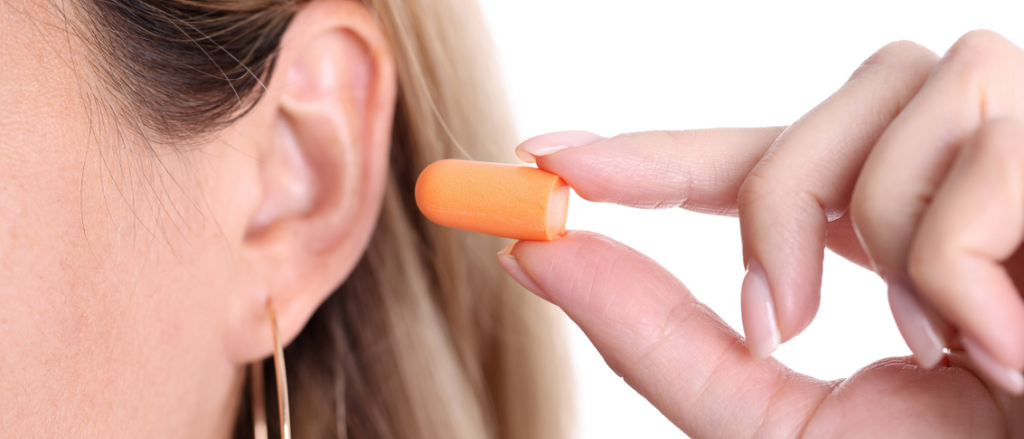
Earplugs on a plane: what to know before you fly
Friday, June 19, 2026
Most passengers don't think about their ears until something goes wrong at 35,000 feet. Whether it's the dull ache during descent or hours of relentless engine noise, flying takes a toll on your hearing. Wearing earplugs on a plane is one of the simplest ways to make the experience more comfortable. Here's what you need to know.
Why cabin noise is louder than you think
During take-off and landing, engine noise can reach 105 decibels (dB). To put that in context, 85 dB is the level at which prolonged exposure starts to damage hearing. At cruising altitude, noise levels still sit around 85 dB throughout the flight.
Combine that with cabin announcements, nearby passengers, and the general hum of pressurised air, and the acoustic environment inside a plane is harder on your ears than most daily settings.
What is airplane ear?
Airplane ear (clinically known as ear barotrauma) is the pressure or popping sensation most people feel during ascent and descent. It happens when cabin pressure changes faster than your middle ear can adjust.
The eustachian tube connects your middle ear to the back of your throat and normally handles this equalisation. During rapid pressure shifts, it can't always keep up.
Common symptoms include:
- A feeling of fullness or stuffiness in the ear
- Muffled or reduced hearing
- Moderate pain, particularly on landing
Less common but more severe symptoms include tinnitus, vertigo, or significant hearing loss. These typically resolve on their own, but anyone with a history of ear problems should speak to a healthcare professional before flying.
Do earplugs actually help?
Yes, but the type matters.
Standard foam earplugs reduce overall noise, which helps with cabin sound levels and makes it easier to sleep. For pressure relief, however, you need pressure-regulating earplugs. These contain a small filter that slows the rate of pressure change inside the ear canal, giving your eustachian tube more time to adjust.
They're most effective during descent, when pressure changes are sharpest and most likely to cause discomfort.
When to put earplugs in
Before take-off: Insert earplugs before the aircraft begins climbing. Cabin pressure starts dropping during ascent, so early insertion gives the filter time to work.
Before landing: This is the most important window. Keep earplugs in until the plane has fully touched down.
Many passengers wear them throughout the entire flight for noise reduction, which is safe as long as they fit comfortably without causing irritation.
Other ways to protect your ears on a flight
Earplugs help, but they work even better alongside a few other habits:
- Yawn and swallow regularly during ascent and descent to open the eustachian tube naturally
- Chew gum or suck on sweets — the jaw movement supports pressure equalisation
- Stay hydrated with water throughout the flight; dehydration worsens the sensation of ear fullness
- Choose your seat carefully — seats ahead of the wings tend to be noticeably quieter than those at the rear, which sit closest to the engines
Who benefits most
Most travellers will find some benefit from earplugs, but they're particularly useful for:
- Anyone prone to ear popping or pressure discomfort
- Frequent flyers with repeated exposure to cabin noise
- Light sleepers on long-haul routes
- Noise-sensitive passengers, including those with sensory sensitivities
- Older children (standard in-ear earplugs are not suitable for infants; use over-ear defenders designed for young children)
If you have an active ear infection, recent ear surgery, or ongoing ear problems, get advice from a healthcare professional before using earplugs during air travel.
When the disruption is the flight itself
You can prepare perfectly and still have your journey fall apart before it begins. Flight delays and cancellations happen, and when they do, many passengers don't realise they may be entitled to financial compensation.
According to EU law, you may be eligible for up to 250€, 400€, or 600€ in compensation if:
- Your flight arrived more than 3 hours late at the final destination
- Your flight was cancelled with less than 14 days' notice before the scheduled departure date
- You were denied boarding against your will
Note that delays caused by extraordinary circumstances — such as severe weather or air traffic control decisions outside the airline's control — are generally not eligible.
AirRefund.com/en helps passengers check whether their disrupted flight qualifies and handles the claim on their behalf, so you don't have to navigate the process alone.
Check your eligibility with AirRefund.com/en and see if your flight qualifies.
Frequently asked questions
Should you wear earplugs on a plane?
Yes. Cabin noise levels during take-off and landing can reach 105 dB, well above the threshold associated with hearing damage over time. Earplugs reduce noise exposure and, if pressure-regulating, help ease the discomfort of cabin pressure changes during ascent and descent.
What type of earplugs are best for flying?
Pressure-regulating earplugs are the best choice for flying. Unlike standard foam earplugs, they contain a small filter that slows pressure changes inside the ear canal, reducing the popping and pain many passengers experience. Standard foam earplugs are fine for noise reduction but offer no pressure relief.
Is it safe to wear earplugs throughout a flight?
Yes, for most people. Wearing earplugs for the duration of a flight is safe provided they fit comfortably and do not cause irritation. If you have an ear infection, recent ear surgery, or ongoing ear problems, speak to a healthcare professional before using them.
Can earplugs stop ears from popping on a plane?
Pressure-regulating earplugs can significantly reduce the popping sensation by slowing the rate of pressure change in the ear canal. They work best when inserted before take-off and kept in until after landing. Swallowing and yawning during ascent and descent also help.
Can babies or young children use earplugs on a plane?
Standard in-ear earplugs are not suitable for infants. For babies and very young children, over-ear defenders designed specifically for young children are the safer option. Older children who can tolerate in-ear products may benefit from child-appropriate earplugs, but check age guidance on the product before use.
Am I entitled to compensation if my flight is delayed?
You may be. Under EU 261, eligible passengers can claim up to 250€, 400€, or 600€ if their flight arrived more than 3 hours late, was cancelled with less than 14 days' notice, or if they were denied boarding. Delays caused by extraordinary circumstances — such as severe weather or air traffic control disruptions — are generally excluded. Start your claim with AirRefund.com/en to find out if your flight qualifies.



Did you like this content ?
Thanks you made our day!
Help us be better!
Well received, thanks!