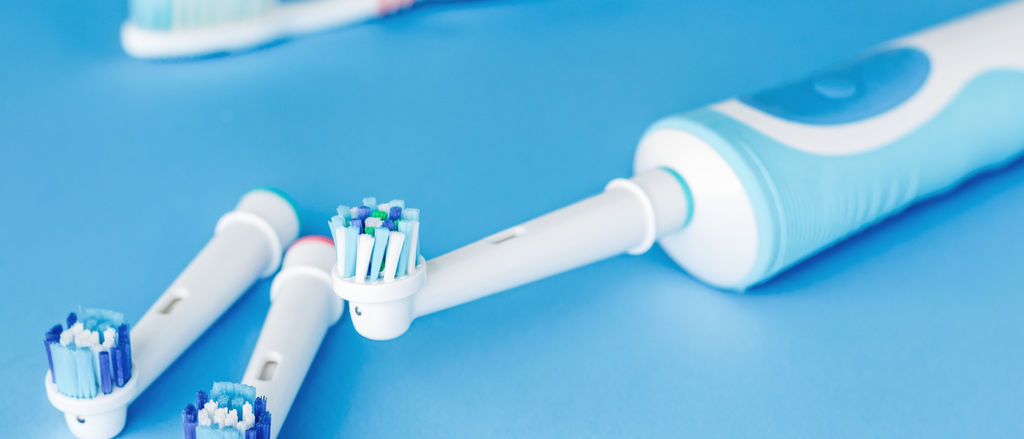
Can you take an electric toothbrush on a plane?
Thursday, November 12, 2026
Yes. Electric toothbrushes are allowed in both hand luggage and checked baggage, but the type of battery inside decides how you should pack it. This guide covers rechargeable and battery-powered models, toothpaste, chargers and what to do with spare batteries.
Why an electric toothbrush follows different rules
A manual toothbrush can go anywhere in your luggage with no restrictions. An electric toothbrush is different: because it has a battery, aviation rules treat it as a portable electronic device, in the same category as a phone, a camera or an electric shaver.
The rules for these devices come from the International Air Transport Association (IATA) dangerous goods regulations. Airlines and national authorities, such as the UK Civil Aviation Authority (CAA), apply them, sometimes with extra conditions of their own.
Which battery does your toothbrush use?
The battery type is the first thing to check, as it decides where the toothbrush can go. You'll usually find it on the packaging, in the user manual or on the manufacturer's website.
Built-in lithium-ion battery
Most current rechargeable electric toothbrushes use a built-in lithium-ion battery. These are permitted on planes as long as the battery does not exceed 100 watt-hours (Wh). A toothbrush battery is a small fraction of that limit, so capacity is rarely an issue. What matters is how you pack it.
Replaceable AA or AAA batteries
Toothbrushes that run on standard alkaline AA or AAA batteries are not subject to lithium battery rules and can go in either hand luggage or checked baggage. If you use lithium AA or AAA batteries, keep any spares in your hand luggage.
Nickel-metal hydride (NiMH) battery
Some older rechargeable models use NiMH batteries. These are not lithium batteries and can generally travel in either type of luggage.
Electric toothbrush in hand luggage
Hand luggage is the recommended place for any toothbrush with a lithium-ion battery. The UK CAA advises passengers to keep devices with batteries under 100Wh with them in the cabin, as cabin crew can respond quickly if a battery overheats. A fire in the hold is much harder to detect and deal with.
The toothbrush can usually stay in your bag at the security checkpoint, although officers may ask to inspect it.
A note on gate-checked bags: If your cabin bag is taken at the gate and placed in the hold, remove your toothbrush and any other lithium-powered devices and keep them with you on board.
Electric toothbrush in checked baggage
Under international rules, an electric toothbrush with a built-in lithium-ion battery may also travel in a checked bag, provided that:
- the battery stays inside the device
- the toothbrush is completely switched off
- it is protected against accidental activation and damage
Many models have a travel lock that stops the motor from starting inside your suitcase. If yours doesn't, a hard travel case helps keep the power button from being pressed.
Some airlines and authorities apply stricter guidance. The US Transportation Security Administration (TSA), for example, advises carrying lithium-powered devices in the cabin. If you're flying to or from the US, or with an airline you haven't used before, check its baggage policy before you travel.
There is also a practical reason to keep your toothbrush in your hand luggage: if your checked bag is delayed or lost, you'll still have it with you on arrival.
Spare batteries, chargers and power banks
Spare lithium batteries and power banks are not allowed in checked baggage under any circumstances. They must travel in the cabin, protected against short circuits (in their original packaging, a battery case or with the terminals taped).
Chargers, charging stands and USB cables have no restrictions and can go in either bag. Before you pack the charger, check the plug type at your destination and bring an adapter if needed.
Toothpaste and mouthwash
Toothpaste counts as a gel and mouthwash as a liquid, so both follow the liquids rule in hand luggage. Each container must be 100ml or under and fit inside a single transparent, resealable 1-litre bag.
Some airports with CT scanners now allow larger containers in hand luggage, but rules vary by departure airport, so check before you pack. Full-size tubes and bottles can go in your checked bag. Toothpaste tablets are a solid alternative and are not subject to liquid restrictions.
Practical tips for packing an electric toothbrush
- Charge it fully before you leave. On a short trip, a full battery may mean you can leave the charger at home.
- Use the travel lock. If your toothbrush has one, activate it before packing.
- Protect the brush head. A cap or travel case keeps it clean and stops the handle from switching on in your bag.
- Pack it in your hand luggage. It's the recommended option for lithium batteries and keeps your toothbrush with you if your bag goes missing.
- Check your airline's policy. Airlines can apply stricter rules than the international baseline.
Frequently asked questions
Do I need to take my electric toothbrush out at airport security?
Usually not. Unlike liquids, an electric toothbrush can generally stay in your bag, but security officers may ask you to take it out for a closer look.
Can I take a water flosser on a plane?
Yes. A battery-powered water flosser follows the same battery rules as an electric toothbrush. Empty the water tank before you go through security, as any liquid inside counts towards your liquids allowance.
What if my toothbrush has a removable battery?
If you pack the toothbrush in checked baggage, take the battery out and carry it in your hand luggage. Loose lithium batteries are not allowed in the hold.
How many electronic devices can I take on a plane?
Many airlines, including British Airways and LOT Polish Airlines, allow up to 15 personal electronic devices per passenger. An electric toothbrush counts as one of them.
Do low-cost airlines have different rules for electric toothbrushes?
The battery rules are the same, as all airlines follow international dangerous goods regulations. With a low-cost ticket, the main difference is usually your cabin bag allowance, so make sure your toothbrush fits in the bag you're allowed to bring on board.
If your flight was delayed
Packing your toothbrush the right way takes care of the security checkpoint. Delays and cancellations, though, are out of your hands.
When an airline cancels your flight less than 14 days before departure, or you reach your final destination 3 hours or more behind schedule for a reason within the airline's control, you may be entitled to €250, €400 or €600 per passenger under EU261, depending on the distance of your flight. AirRefund.com/en can check your flight in a few minutes and handle the claim with the airline on your behalf. No win, no fee.
This content was written with AI assistance and reviewed for accuracy by a member of our air passenger rights team before publication.



Did you like this content ?
Thanks you made our day!
Help us be better!
Well received, thanks!