
Best places in Greece to travel
Friday, April 3, 2026
Greece offers an extraordinary blend of ancient history, stunning landscapes, and vibrant culture that captivates millions of travelers annually. From world-famous islands to historic mainland treasures, this Mediterranean paradise provides unforgettable experiences for every type of traveler.
Why should you visit Greece for your next trip?
Greece combines over 3,000 years of documented history with some of Europe's most beautiful coastlines. The country offers exceptional value, warm hospitality, and diverse experiences—from exploring ancient ruins in Athens to watching spectacular sunsets in Santorini. The Mediterranean climate ensures pleasant weather for most of the year, making it an ideal destination for both cultural exploration and beach relaxation.
What are the best Greek islands to visit?
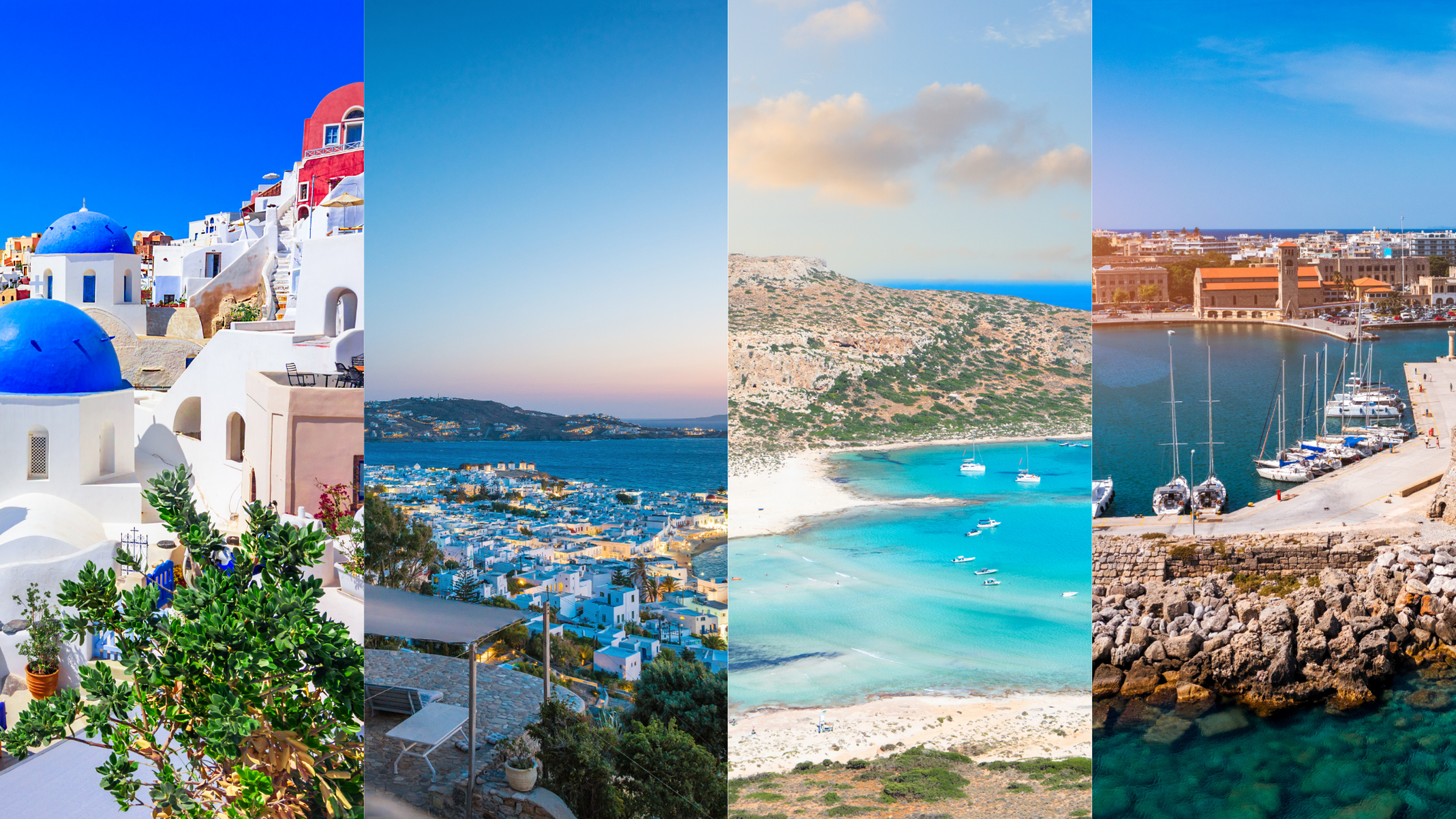
Santorini stands out as Greece's most iconic destination, famous for its dramatic cliff-top villages, blue-domed churches, and volcanic beaches. The island offers luxury accommodations and world-class dining with breathtaking caldera views.
Mykonos attracts visitors with its vibrant nightlife, pristine beaches, and charming Cycladic architecture. The island serves as an excellent base for exploring nearby archaeological sites like Delos.
Crete, Greece's largest island, provides incredible diversity—from the ancient Minoan palace of Knossos to the stunning Samaria Gorge. The island offers excellent hiking, beautiful beaches, and authentic Cretan cuisine.
Rhodes combines medieval history with beautiful beaches. The UNESCO-listed Old Town features impressive fortifications, while the island's southern coast offers crystal-clear waters and traditional fishing villages.
Which mainland Greece destinations should you explore?
Athens serves as the perfect introduction to Greek civilization, home to the iconic Acropolis, world-class museums, and vibrant neighborhoods like Plaka and Monastiraki. The city combines ancient wonders with modern Greek culture.
Meteora features breathtaking monasteries perched atop towering rock formations. This UNESCO World Heritage site offers spectacular hiking trails and spiritual experiences in central Greece.
Delphi, once considered the center of the ancient world, houses the famous Oracle's sanctuary. The archaeological site provides stunning mountain views and insights into ancient Greek religion.
The Peloponnese peninsula contains numerous historical treasures, including ancient Olympia, the theater of Epidaurus, and the fortified town of Nafplio.

How do you plan transportation between Greek destinations?
Greece's extensive ferry network connects most islands efficiently. Major routes operate from Piraeus (Athens' port) to popular destinations like Santorini and Mykonos. Domestic flights provide quick connections between Athens and major islands, though these can experience delays during peak summer months.
Bus networks (KTEL) offer affordable mainland transportation, while rental cars provide flexibility for exploring regions like the Peloponnese at your own pace.
When is the best time to visit Greece?
May to June and September to October offer ideal conditions with pleasant weather, fewer crowds, and reasonable prices. Summer (July-August) brings peak temperatures and tourist numbers, particularly on popular islands.
Spring (April-May) showcases blooming landscapes and comfortable temperatures, perfect for hiking and cultural exploration. Autumn (September-October) provides warm seas and harvest season experiences.
What if your flight to Greece gets delayed or cancelled?
Flight disruptions can impact your Greek adventure, but you may be entitled to compensation under EU261 regulation. If your flight to Greece is delayed over 3 hours, cancelled with less than 14 days' notice, or you're denied boarding, you could claim up to €600 in compensation.
Extraordinary circumstances like severe weather aren't typically eligible, but airline operational issues often qualify for compensation. Don't let flight problems ruin your Greek getaway—know your passenger rights.
Frequently asked questions about Greece trips
How many days do you need to visit Greece?
A minimum of 7-10 days allows you to experience both Athens and 1-2 islands. Two weeks provides time for mainland exploration plus multiple islands.
Do you need a car to travel around Greece?
Cars aren't necessary for island hopping or Athens exploration, but they're helpful for mainland destinations like Meteora or the Peloponnese.
What's the best way to island hop in Greece?
Ferry connections work best for nearby islands. For distant combinations like Crete to Santorini, consider domestic flights to save time.
Is Greece expensive to visit?
Greece offers excellent value compared to other Mediterranean destinations. Budget travelers can manage on €40-60 daily, while mid-range visitors typically spend €80-120 per day.
What should you pack for Greece?
Comfortable walking shoes, sun protection, light layers for evening, and modest clothing for religious sites. Summer requires minimal clothing, while spring/autumn needs light jackets.
Planning your Greek adventure but worried about flight disruptions? Flight delays and cancellations can happen, especially during busy summer travel periods. If your flight experiences problems, check your eligibility and start your claim with AirRefund.com/en to ensure flight issues don't impact your travel budget.



Did you like this content ?
Thanks you made our day!
Help us be better!
Well received, thanks!