Emergency exit seat rules: Your complete guide
Tuesday, March 24, 2026
Emergency exit seats offer extra legroom but come with important responsibilities and restrictions. We're here to explain them! Understand the rules to make informed decisions and know your rights as a passenger.
What Are Emergency Exit Seats?
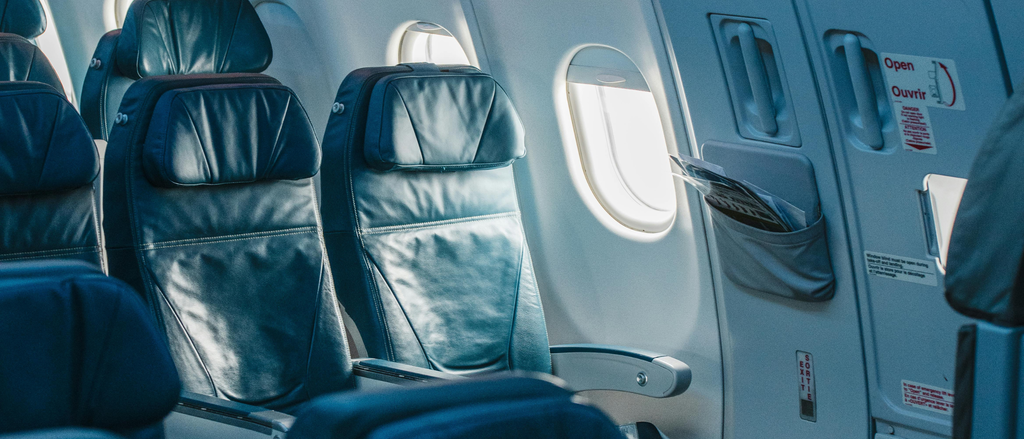
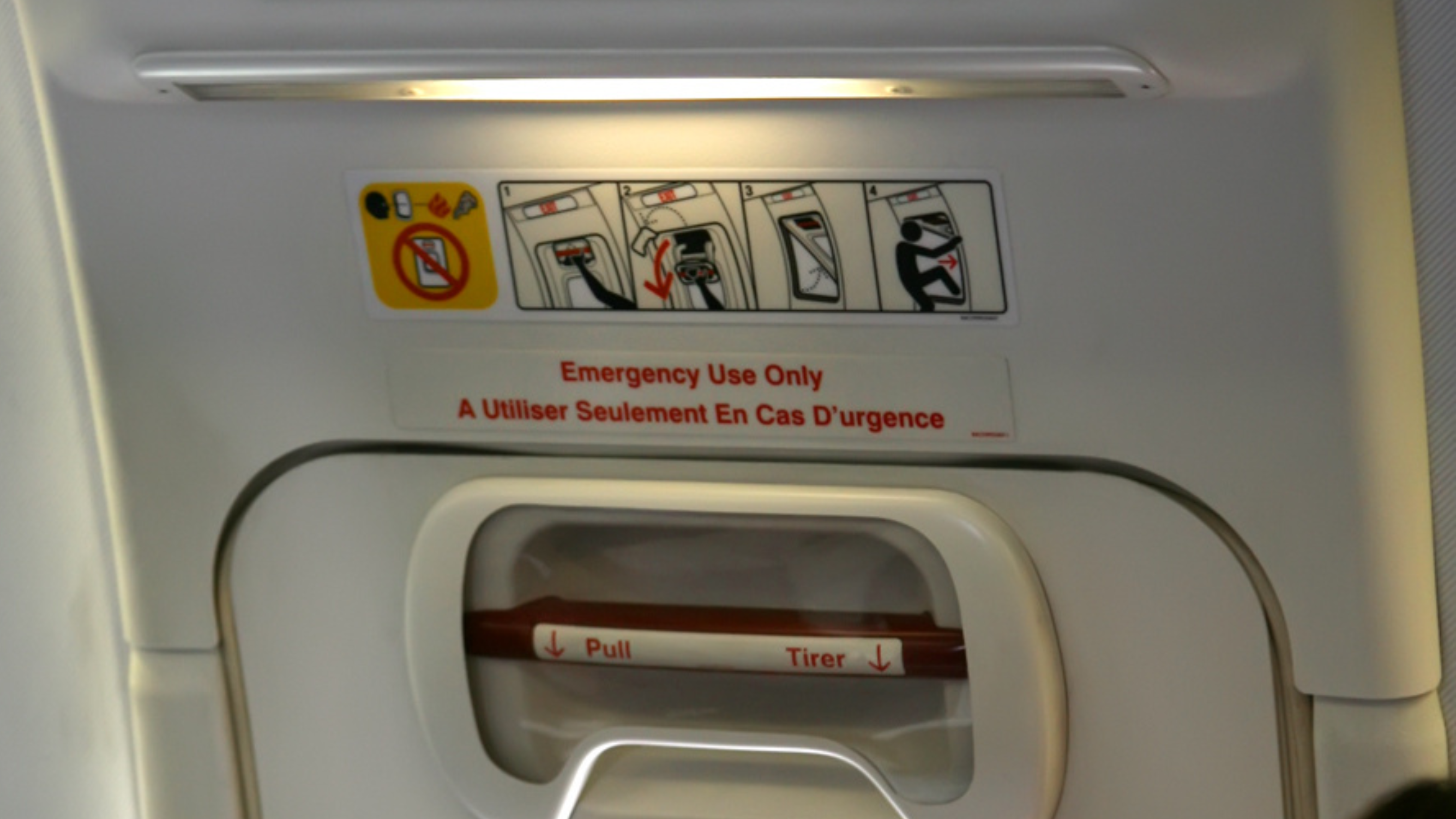
Emergency exit seats are located next to aircraft emergency exits, typically over the wings or at the front/rear of the cabin. These positions require passengers who can assist with emergency evacuations, which is why airlines have specific requirements for who can occupy them.
These seats usually offer 6-10 inches more legroom than standard seats, making them popular with tall passengers. However, they come with specific safety requirements that not all passengers can meet.
Who Can Sit in Emergency Exit Seats?
Airlines have strict eligibility criteria based on safety regulations:
Age Requirements:
- Minimum 15-16 years old (varies by airline)
- Some carriers require 18+ for certain exit rows
- No maximum age limit if physically capable
Physical Capabilities:
- Able to lift and operate emergency exit (typically 18-27kg)
- Sufficient mobility to reach and open exits quickly
- Good vision and hearing to follow crew instructions
- No mobility aids or assistance animals
Communication Requirements:
- Fluent in the flight's operating language (or English)
- Able to understand safety briefings
- Capable of giving clear verbal confirmation
Restrictions:
- No infants or children under supervision
- No passengers requiring special assistance
- No pregnant passengers
- No passengers under the influence of alcohol/drugs
What Are Your Responsibilities in an Emergency Exit Seat?
Accepting an emergency exit seat means agreeing to specific duties. You must listen to detailed safety briefings from cabin crew, operate emergency exits if instructed during evacuation, assist other passengers in emergency situations, and follow crew instructions without hesitation.
You must verbally confirm your willingness and ability to perform these duties. If you cannot or will not agree, you'll be moved to a different seat.
Do Emergency Exit Seats Have Extra Costs?
Most airlines now charge fees for emergency exit seats. Budget carriers typically charge £15-50 per flight segment, while full-service airlines often include these seats in premium economy or higher fares. Prices may increase closer to departure, though frequent flyers with premium member status often get complimentary access.
Some airlines still assign these seats free at check-in if available, but advance selection typically requires payment.
Can Airlines Move You From Your Emergency Exit Seat?
Yes, airlines can reassign you even after booking if you don't meet eligibility requirements upon verification, refuse to accept the responsibilities, or if safety concerns arise during pre-flight checks.
During reassignment, you are entitled to alternative seating (though not necessarily equivalent legroom), and if you paid extra for the seat selection, you could be entitled to a refund of this fee.
Airlines typically verify eligibility in the plane upon boarding or at the gate, so arrive early to allow time for potential reassignment.
Emergency Exit Seats vs Regular Seats: Pros and Cons
Pros of Exit Row Seats:
- Significantly more legroom (often 6-8 inches extra)
- Quicker boarding and deplaning
- Often better views during flight
- No reclining seats in front of you
Cons of Exit Row Seats:
- No under-seat storage during takeoff/landing
- Seats may not recline or have restricted recline
- Responsibility for emergency procedures
- Potential reassignment without notice
- Usually no window shade control
Frequently Asked Questions about Emergency Exit Seats
Can I bring my laptop bag to an emergency exit seat?
Most airlines prohibit personal items at your feet in emergency exit rows. Bags must go in overhead compartments, which may be less accessible during flight.
Who can't sit in the emergency exit row?
Several groups are prohibited from emergency exit seats: children under 15-16 years old, passengers traveling with infants, anyone requiring special assistance or using mobility aids, pregnant passengers in later stages, passengers with visual or hearing impairments that prevent following safety instructions, and anyone who doesn't speak the flight's operating language fluently.
What happens if I panic and can't help in an emergency?
Cabin crew are trained to handle situations where passengers cannot assist. However, you're legally obligated to attempt helping if physically able and the crew requests it.
Are emergency exit seats worth the extra cost?
For tall passengers or those wanting extra space, the legroom benefit often justifies the fee. However, consider the responsibilities and restrictions before booking.
Can airlines refuse me an emergency exit seat based on appearance?
Airlines can make judgments about physical capability, but decisions must be based on legitimate safety concerns, not discrimination. You can request an explanation if refused.
Do I get compensation if moved from my paid emergency exit seat?
You should receive a full refund of seat selection fees. Some airlines may offer additional compensation, especially if no comparable alternative seating is available.
Can I get compensation if my flight is delayed?
If your flight was delayed by at least 3 hours, cancelled last minute, or you were denied boarding due to overbooking, you may be entitled to compensation under EU261. Check your eligibility for flight compensation with AirRefund.com/en and let our experts handle your claim.



Did you like this content ?
Thanks you made our day!
Help us be better!
Well received, thanks!