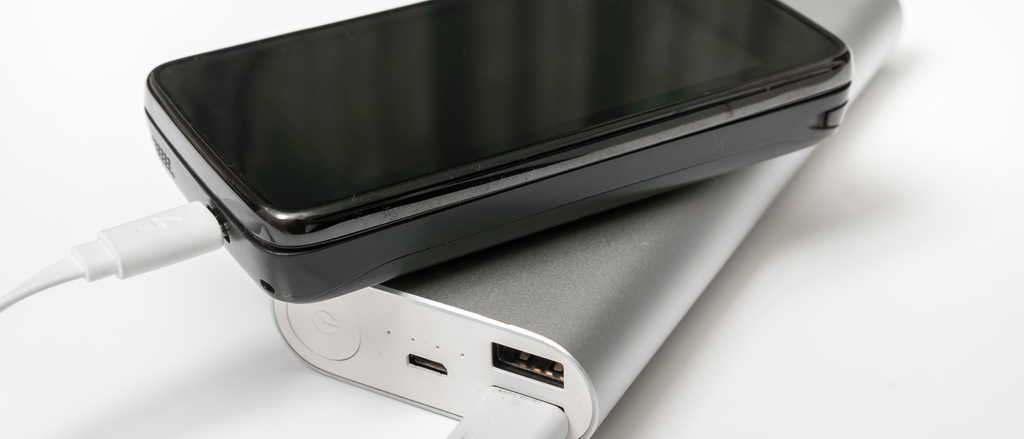
Can you take a power bank on a plane? UK travel rules 2026
Friday, March 13, 2026
Planning to travel with your portable charger? Understanding current power bank flight regulations can save you delays and confiscation at security. Here's everything UK travelers need to know about flying with power banks in 2026.
Power Bank Flight Regulations: What You Need to Know
Yes, you can take a power bank on a plane, but only in your carry-on luggage. The UK Civil Aviation Authority (CAA) strictly prohibits lithium-ion batteries in checked baggage due to fire risk. This rule applies to all portable chargers, regardless of size or brand.
The key restriction centers on battery capacity. Power banks must not exceed 100 watt-hours (Wh) for unrestricted carry-on travel. Devices between 100-160Wh require airline approval, while anything above 160Wh is completely banned from passenger aircraft.
Understanding Power Bank Capacity Limits
Most travelers find capacity calculations confusing, but it's straightforward. If your power bank shows mAh (milliamp-hours), convert to Wh using this formula:
Wh = (mAh × Voltage) ÷ 1000
For standard power banks with 3.7V batteries:
- 10,000mAh = 37Wh (allowed)
- 20,000mAh = 74Wh (allowed)
- 27,000mAh = 99.9Wh (allowed)
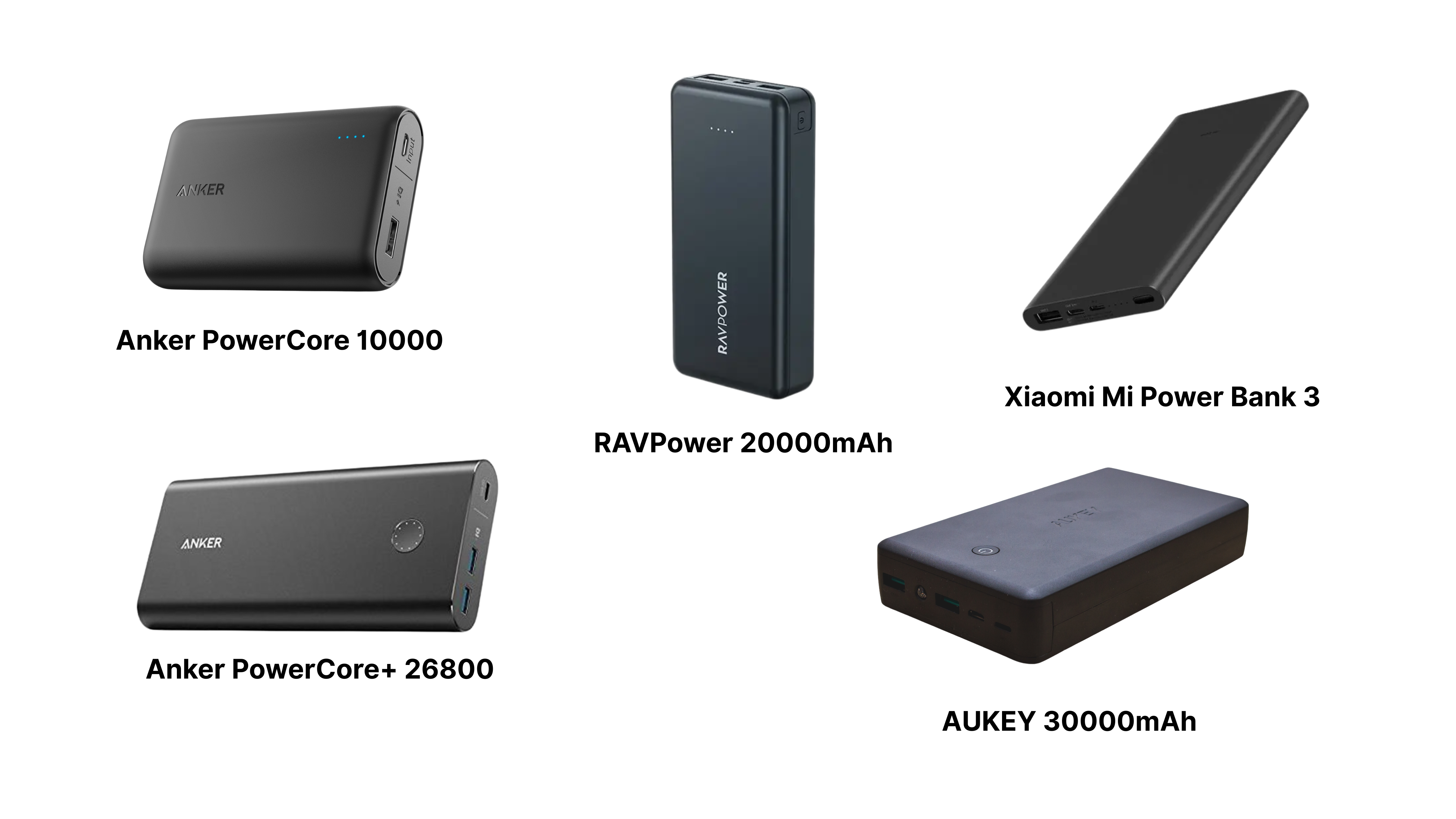
Premium power banks often display Wh ratings directly. Popular models like Anker PowerCore 26800 (99.9Wh) are specifically designed to meet aviation limits.
UK Airline Policies for Power Banks
British Airways, EasyJet, and Virgin Atlantic all follow CAA guidelines, but implementation varies. British Airways allows up to two spare batteries per passenger, while EasyJet permits "reasonable quantities" for personal use.
Recent policy updates in 2026 have tightened enforcement. Airlines now require power banks to have clearly visible capacity markings. Unmarked devices may be confiscated regardless of actual capacity.
During flight, power banks must remain in carry-on storage unless actively charging a device. Using power banks while aircraft systems are active is generally permitted, but crew instructions always take precedence.
Travel-Ready Power Bank Recommendations
Choosing the right power bank can make your journey smoother. Here are proven options that meet current aviation standards:
For Everyday Travel Needs
Anker PowerCore 10000 (37Wh) delivers dependable performance in a pocket-friendly form factor. Its compact design makes security screening effortless while providing sufficient power for most devices.
RAVPower 20000mAh (74Wh) offers exceptional energy density, maximizing charging capacity without bulk. This model strikes an ideal balance between portability and extended device support.
Xiaomi Mi Power Bank 3 (72Wh) combines sleek aesthetics with rapid charging technology. Its premium build quality and fast-charge capabilities make it perfect for business travelers.
For Extended Journey Requirements
Anker PowerCore+ 26800 (96Wh) provides maximum capacity while remaining within unrestricted limits. This powerhouse can charge multiple devices throughout long-haul flights without requiring airline pre-approval.
International Travel Considerations
EU regulations align closely with UK rules, maintaining consistency for European travel. However, US TSA requirements differ slightly—they allow power banks up to 100Wh without restriction but require airline approval for 100-160Wh devices.
Asian airlines have implemented stricter policies following recent incidents. Singapore Airlines and Cathay Pacific now require power banks to be individually bagged and easily accessible for inspection.
What Happens If Your Power Bank Causes Flight Issues?
While rare, power bank-related incidents can cause flight delays or cancellations. Unfortunately, passengers are not entitled to compensation when flights are disrupted due to power bank safety concerns, as these situations are classified as extraordinary circumstances under UK261 regulations.
Safety-related delays caused by lithium battery incidents fall outside airline control, similar to severe weather or air traffic restrictions. Airlines prioritize passenger safety over schedule adherence, and regulatory authorities support these decisions.
Practical Tips for Traveling with Power Banks
Pack smart: Keep power banks in easily accessible carry-on pockets. Security may require separate screening, similar to laptops and tablets.
Bring documentation: Screenshots of manufacturer specifications can help if capacity markings are unclear or worn.
Have backup plans: Consider airport charging stations and gate-area power outlets as alternatives to large-capacity power banks.
Experiencing flight delays or cancellations? Our expert team has helped thousands of UK travelers secure compensation under passenger rights legislation. With over 15 years of experience navigating airline policies and regulations, we handle the complex claims process while you focus on your journey. Check my eligibility today and discover what compensation you may be entitled to receive.
Frequently Asked Questions
Can I put my power bank in checked luggage?
No. Power banks must always travel in carry-on luggage due to lithium battery fire risks. Airlines will confiscate power banks found in checked bags.
How many power banks can I bring on a plane?
Most UK airlines allow 2-3 power banks per passenger for personal use. Check your specific airline's policy as limits vary between carriers.
What if my power bank doesn't show capacity markings?
Unmarked power banks may be confiscated at security. Bring manufacturer documentation or consider purchasing a compliant replacement before travel.
Can I use my power bank during takeoff and landing?
Power banks should remain stored during critical flight phases unless crew specifically permits their use. Follow all crew instructions regarding electronic devices.
Will my 30,000mAh power bank be allowed?
A 30,000mAh power bank typically exceeds 100Wh limits and requires airline pre-approval. Most airlines will reject devices this large for passenger flights.
Experiencing flight delays or cancellations?
Our expert team has helped thousands of UK travelers secure compensation under passenger rights legislation. With over 15 years of experience navigating airline policies and regulations, we handle the complex claims process while you focus on your journey. Check your eligibility today and discover what compensation you may be entitled to receive.



Did you like this content ?
Thanks you made our day!
Help us be better!
Well received, thanks!