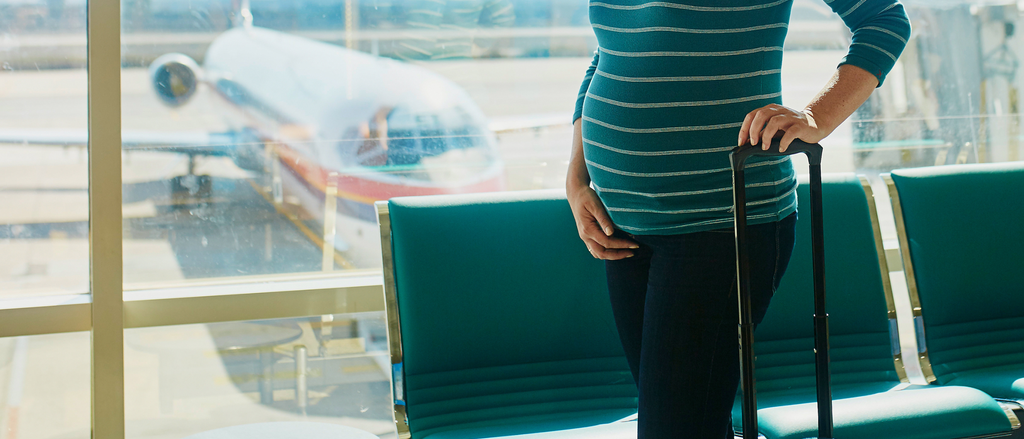
Flying while pregnant: Your complete guide to safe air travel
Monday, March 9, 2026
Flying during pregnancy requires careful planning and understanding of both safety guidelines and your passenger rights. This comprehensive guide covers everything you need to know about air travel whilst expecting.
When Can You Fly During Pregnancy?
Most airlines apply the 36-week rule for single pregnancies, prohibiting travel after this point without special medical clearance. For multiple pregnancies (twins or more), this limit typically reduces to 32 weeks.
First Trimester (0-12 weeks): Generally considered the safest period for travel, though morning sickness may cause discomfort during flights.
Second Trimester (13-27 weeks): Often called the "golden period" for travel, with reduced nausea and lower complication risks.
Third Trimester (28+ weeks): Requires medical certificates from most airlines after 28-32 weeks, with travel prohibited after 36 weeks.
Essential Safety Precautions for Pregnant Air Travellers
Blood Clot Prevention:
- Wear compression stockings throughout the flight
- Walk the aisle hourly when possible
- Perform ankle exercises whilst seated
- Stay well hydrated throughout your journey
Comfort and Safety Tips:
- Choose aisle seats for easier toilet access
- Request seatbelt extensions if needed
- Pack essential medications in hand luggage
- Carry pregnancy documentation and medical records
Airline Policies and Documentation Requirements
Major carriers like British Airways and easyJet require medical certificates after 28 weeks of pregnancy. These documents must confirm:
- Expected delivery date
- Fitness to travel
- The absence of pregnancy complications
- Single or multiple pregnancy status
International airlines may have varying requirements, so always verify specific policies when booking.
Your Rights as a Pregnant Passenger
Pregnant passengers benefit from the same protections under UK261 regulations as other travellers. According to UK261 law, you may be entitled to compensation of up to £520 for significant flight delays or cancellations, regardless of pregnancy status.
Airlines must also provide:
- Priority boarding assistance
- Special dietary accommodations
- Wheelchair assistance if requested
What to Do If Your Flight Is Disrupted
Flight disruptions during pregnancy require immediate attention. If your flight is delayed over three hours or cancelled, you retain all compensation rights under passenger protection regulations.
Document all disruptions carefully, as pregnancy can create additional expenses or medical needs that strengthen your compensation claim.
Frequently Asked Questions About Flying Whilst Pregnant
Can I fly in my first trimester?
Yes, the first trimester is generally considered safe for air travel. However, consult your healthcare provider, especially if you have pregnancy complications.
What documents do I need from my doctor?
After 28 weeks, most airlines require a medical certificate confirming your due date, fitness to travel, and absence of complications. This document must be dated within 7-10 days of travel.
Am I entitled to compensation if my flight is cancelled whilst pregnant?
According to UK261 law, pregnancy status doesn't affect your compensation rights. You can still claim up to £520 for qualifying delays or cancellations.
Can airlines refuse pregnant passengers?
Airlines may refuse passengers after their pregnancy cut-off dates (typically 36 weeks) or without required medical documentation, but cannot discriminate based solely on pregnancy.
What if I go into labour during a flight?
Airlines have emergency protocols and crew training for in-flight medical situations. Most aircraft carry basic medical equipment, and flights can be diverted if necessary.
Are there special security procedures for pregnant travellers?
Airport security may offer alternative screening methods if you prefer to avoid body scanners, though they're considered safe during pregnancy.
Summary: Your Pregnancy Flight Checklist
Pre-Flight Preparation:
- Confirm airline pregnancy policies
- Obtain medical clearance if required
- Pack compression socks and medications
- Select appropriate seating
During Flight:
- Stay hydrated and move regularly
- Wear the seatbelt below the bump
- Monitor for concerning symptoms
If Disrupted:
- Document all delays and expenses
- Know your compensation rights
- Seek medical attention if needed
Flying during pregnancy can be safe and comfortable with proper preparation. Understanding medical guidelines and your passenger rights ensures protection throughout your journey.
Ready to protect your travel plans? If you experience flight disruptions during pregnancy, you deserve full compensation under passenger protection laws. Check your eligibility at AirRefund.com/en to ensure you receive the compensation you're entitled to.



Did you like this content ?
Thanks you made our day!
Help us be better!
Well received, thanks!